The 10 Best Bank Holiday Activities in Southampton (2026)
Southampton has a quality that suits a bank holiday well. The city is compact enough to move around comfortably on foot, varied enough to fill a full day without repeating itself and anchored by a waterfront that gives even a straightforward afternoon out a sense of place. Southampton works best when the day builds naturally, starting somewhere central and expanding outward into the city's historic and maritime spaces as the hours progress.
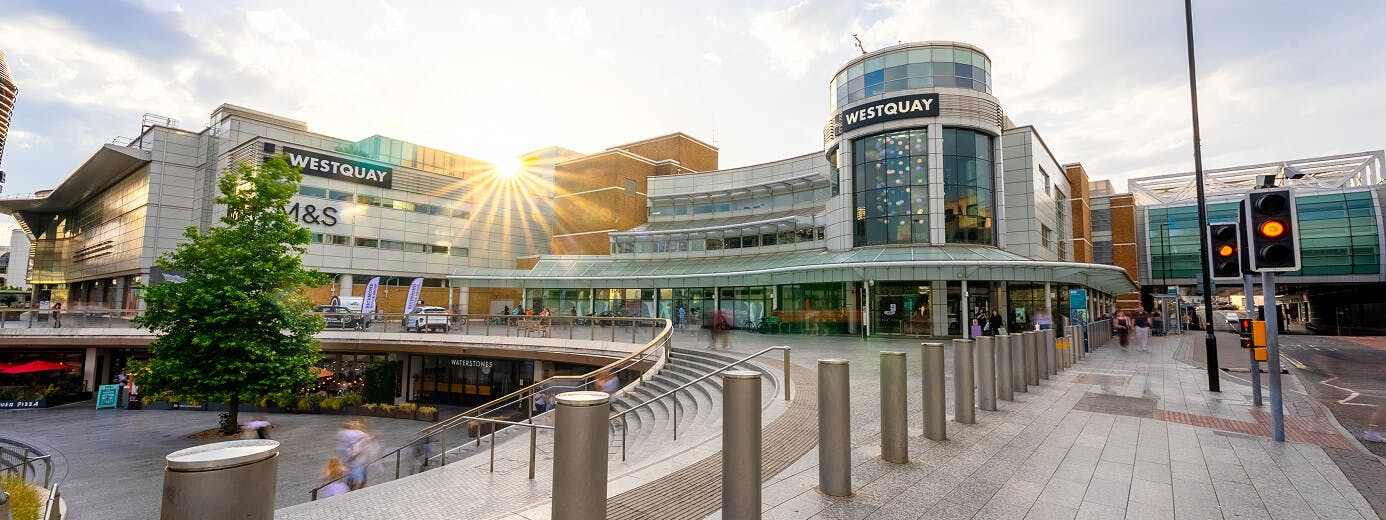
This guide covers a practical way to spend a bank holiday in Southampton in 2026, beginning at Westquay and moving outward through the city's parks, waterfront and medieval streets. Everything here is within walking distance or a short connection, and all external activities are free to access. Whether you are visiting for the first time or looking for a fresh way to spend a familiar city, this is a reliable and well-paced way to do it..
Catch a Film at Showcase Cinema de Lux
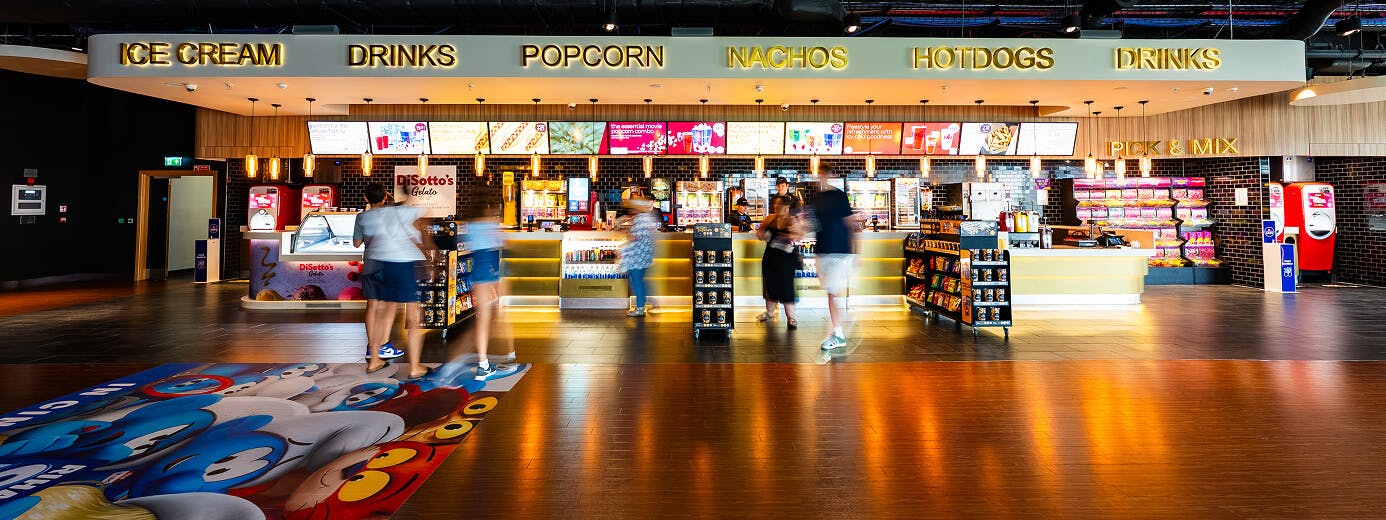
Starting the day at Showcase Cinema de Lux inside Westquay is one of the most straightforward ways to ease into a bank holiday without rushing. The de Lux experience sits a step above a standard multiplex, with wider, more comfortable seating and a premium feel that makes the visit worth arriving for in its own right.
Morning screenings tend to be quieter than later showings, which makes them a good option before the centre builds up. For families with younger children, an early film sets a relaxed tone for the day without requiring anyone to be somewhere specific by a fixed time. For couples or those visiting solo, it provides a calm and unhurried start before the more active parts of the day take over.
Because the cinema sits within Westquay's leisure complex alongside restaurants and entertainment, there is no need to plan the next step before the film ends. The day can open up naturally from there, which is exactly how a bank holiday should begin.
Keep Things Moving at Hollywood Bowl
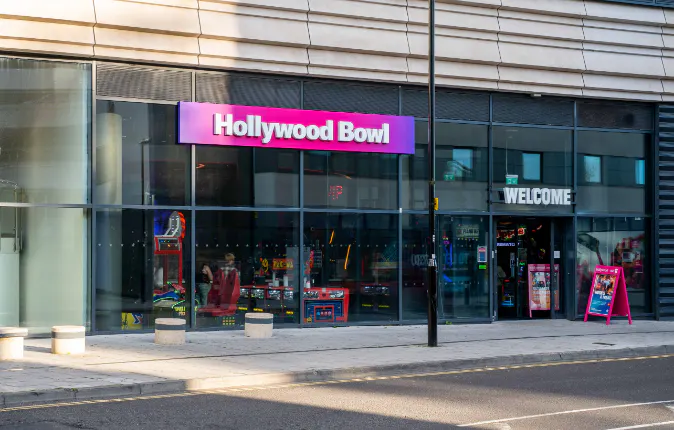
A short walk within Westquay leads to Hollywood Bowl, which adds an energetic and social element to the morning. Bowling suits a bank holiday well because the format is inherently flexible.
It works particularly well for mixed groups where different people want different things in the morning. Some will treat it seriously, others will bowl at their own relaxed pace, and the atmosphere accommodates both without either feeling out of place. The surrounding arcade games extend the visit naturally if younger kids want to stay longer.
For families with children, the Hollywood Bowl provides a format that is immediately understandable and does not require preparation or explanation. It’s one of those activities that tends to run longer than expected, which on a bank holiday is rarely a problem.
Test Your Nerve at Locked in a Room

Locked in a Room brings a different kind of energy to Westquay's leisure offer. Escape rooms suit a bank holiday because they are time-defined, social and require genuine engagement from everyone involved, which makes them a more active alternative to anything passive.
The Parallax room is worth noting specifically. Designed around a science fiction premise with a strong visual concept, it provides a more immersive experience than a standard escape room format. The puzzles are built to require communication and lateral thinking rather than physical strength or prior knowledge, which makes them accessible to a wide range of groups.
Booking in advance is advisable on a bank holiday when demand is higher, but the experience itself is self-contained and time-efficient, making it easy to slot into the day between other activities. For groups looking for something that generates genuine conversation afterwards, Locked in a Room delivers that consistently.
Take a Break with Lunch at Westquay
By midday, Westquay naturally shifts toward food. The lunch options cover a wide range of styles and paces, which means the group doesn’t have to agree on a single cuisine to make it work.
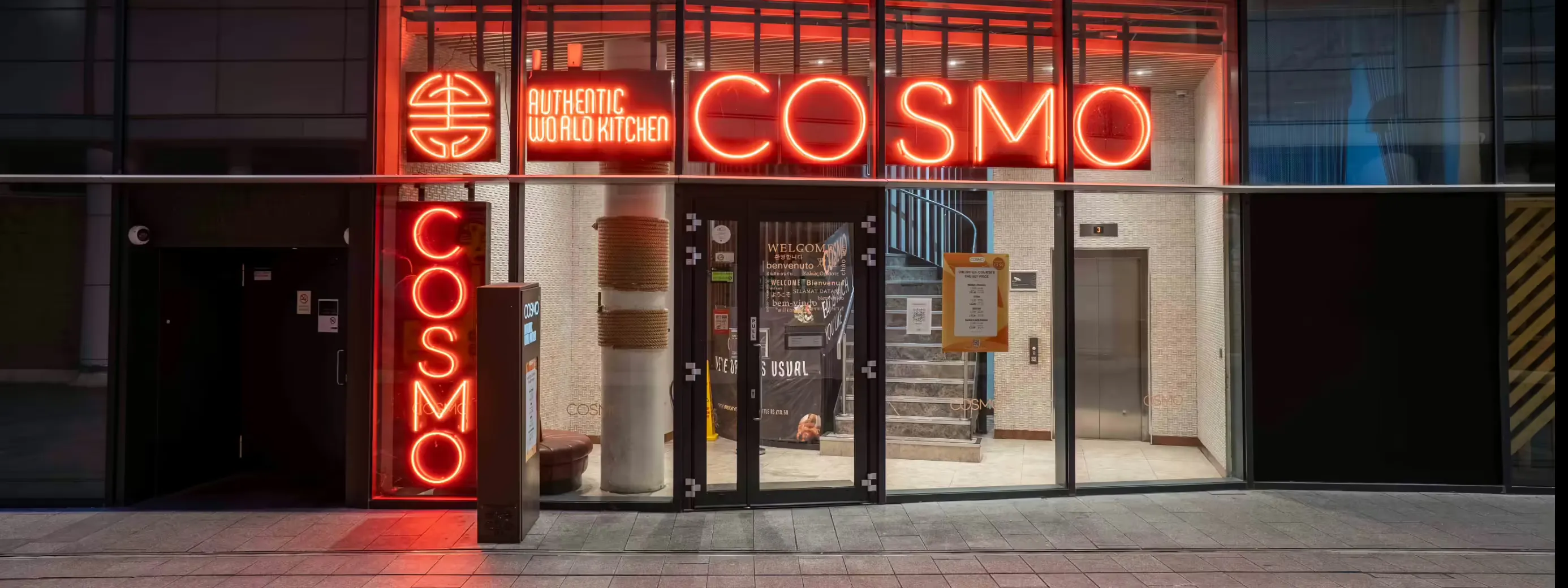
Cosmo
Cosmo is the strongest choice for groups with varied tastes. The world buffet format covers an exceptionally broad range of cuisines, from Asian and Indian to Italian and American, all under one roof. It suits families particularly well, since younger diners can eat whatever appeals to them without the group needing to navigate a set menu. The relaxed, help-yourself format also means there is no waiting around for food to arrive, which keeps the afternoon momentum going.
Thaikhun
Thaikhun brings a more specific and considered dining experience. The Thai street food concept is built around bold, well-spiced dishes served in a setting that reflects the energy of a Bangkok market. It suits those who want something with genuine character and are happy to slow down slightly for a proper sit-down meal. The sharing plate format works well for groups who want to try a range of dishes across the table.
Franco Manca
Franco Manca completes the trio with its sourdough pizza offer, which has developed a strong following across its UK locations. The bases are slow-fermented, and the toppings are sourced with care, resulting in a quality that sits above the standard pizza chain offer. It’s a good choice for anyone who wants something straightforward, reliably good and quick enough to keep the afternoon on track.
Shop the Latest Trends at Westquay

A bank holiday visit to Southampton would feel incomplete without time spent exploring Westquay's retail offer. The centre's layout is well-organised and easy to navigate, which means covering a lot of ground doesn’t require much effort or planning.
Hollister
Hollister anchors the younger end of the retail mix with its distinctive store environment and relaxed, American-influenced aesthetic. The combination of dim lighting, strong scent and carefully curated music makes it one of the more immersive retail experiences in the centre, and the range moves quickly enough that there is usually something new to consider.
H&M
H&M provides a broader and more versatile offer, useful for building out a wardrobe with both basics and more directional pieces across a range of budgets.
Zara
Zara rounds out the trio with its sharp, trend-led fashion that turns over fast and rewards frequent visitors. The seasonal pieces in particular tend to sell quickly, making a bank holiday browse a good opportunity to catch what’s current.
Walk Southampton Common
After several hours inside Westquay, Southampton Common provides an immediate and welcome change of pace. Located a short walk north of the city centre, it’s one of the largest urban green spaces in the south of England and one of the most well-used by locals throughout the year.
The common covers 326 acres of varied terrain, including open parkland, mature woodland, rough grassland, ponds and wetland areas. On a bank holiday, it fills gradually with families, dog walkers, cyclists and people simply looking for open space after time in the city centre. The scale of the common means it never feels crowded, even on a busy weekend, and the variety of the landscape means different parts of the site offer different experiences within the same visit.
The woodland paths are particularly good in late spring and early summer, when the canopy is full, and the light through the trees has a quality that’s hard to find in a city environment. The ponds attract wildlife throughout the year and are worth seeking out if the group wants a quieter, more peaceful stretch of the walk. There is no fixed route and no entry point, which suits the unstructured quality of a bank holiday perfectly.
Watch the Ships at Mayflower Park
From Southampton Common, the day moves back toward the water. Mayflower Park sits along the Western Esplanade and offers one of the best vantage points in the city for watching the movement of ships across the Solent and into the Port of Southampton.
Southampton is one of the busiest cruise terminals in Europe, and the waterfront reflects that on any given day. Cruise liners, container ships, Red Funnel ferries crossing to the Isle of Wight and smaller vessels all move through the same stretch of water, creating a constantly changing view that rewards patience. On a bank holiday, when leisure traffic on the water increases, the spectacle is particularly good.
The park itself is open and well-maintained, with enough space to sit comfortably and take in the view without feeling locked in. The Mayflower Memorial stands within the park, marking the point from which the Pilgrim Fathers departed for America in 1620, which gives the stop a layer of historical context alongside the maritime sights. It’s a good place to slow down and let the afternoon settle before continuing into the city's historic quarter.
Walk the Southampton City Walls
From Mayflower Park, the city walls are within easy reach and provide one of the most historically rich free activities in Southampton. The waymarked trail runs for just under two miles around the perimeter of the old medieval town, taking in 13 remaining towers, six city gates and half a mile of thick stone walls and arcades.
The walls were largely built in the 1360s following a devastating raid by French and Genoese privateers in 1338, making them among the first structures in Britain designed to accommodate the defensive technologies of gunpowder and cannon. Walking the trail gives a clear sense of how the medieval town was laid out and defended, and the information placards positioned throughout provide context at each significant point without requiring a guide.
The walk can be started from several points, but beginning near the Western Esplanade and heading south toward the Old Town connects naturally with the route from Mayflower Park. The elevated sections of the wall offer good views across the city and toward the quay, and the variety of the route, moving between open sections, narrow medieval lanes and civic spaces, keeps the walk engaging throughout.
Explore God's House Tower
God's House Tower sits at the southern end of the city walls and marks a natural pause point on the route through the Old Town. Built in 1189 and named for its proximity to the medieval God's House Hospital, the tower was originally constructed to guard the town from attack by sea. Today it operates as a free arts and archaeology venue with a programme of changing exhibitions and events.
The building itself is the attraction as much as what is inside it. The medieval stonework, the position at the corner of the old walls and the views from the upper levels across the rooftops and toward the water give it a presence that feels distinct from a standard gallery or museum visit. The rooftop in particular offers a clear view over the Port of Southampton and, on a clear day, across the Solent toward the New Forest, which is a perspective on the city that most visitors do not see.
The exhibitions vary across the year but consistently reflect the archaeological and maritime heritage of Southampton in a way that feels specific to the city. It’s worth checking what’s on before visiting, though the building and its position in the Old Town are worth the stop regardless of what is showing.
Discover the Bargate
The Bargate sits two minutes from Westquay and stands as one of the most significant medieval structures in Britain. Originally constructed around 1180 as the main northern entrance to the walled town, it evolved over the following centuries into a fortress, a guildhall and a prison before becoming the civic landmark it is today. The exterior is freely accessible at all times, and the archway itself can be walked through, which gives even a brief visit a physical connection to the city's history that a museum display cannot replicate.
The scale of the Bargate is what strikes most people first. The facade features sculpted stonework, a pair of restored lion statues that date from the 1740s and a bell that bears the date 1605. The south face carries a statue of George III in Roman regalia, added in 1809, which reflects the building's long role as a symbol of civic authority across very different periods of the city's history.
In the summer months, the pedestrianised space around the Bargate regularly hosts street performers, markets and outdoor events, which adds a lively quality to what might otherwise be a purely architectural stop. Standing at the Bargate at the end of a day that has moved from Westquay through the waterfront, the common, the walls and the Old Town gives a clear sense of how much ground Southampton covers and how accessible all of it is on foot.
Making the Most of a Bank Holiday in Southampton
The key to a good bank holiday in Southampton is letting the day build gradually. Westquay provides a strong and well-structured start, with cinema, entertainment, food and retail all within a compact and easy-to-navigate space. From there, the city opens up in a way that rewards a relaxed pace.
Everything in this guide is within walking distance or a short connection from the centre, which means there’s no need to rely on transport or strict timing. Southampton's Old Town, waterfront and green spaces sit close enough to Westquay that moving between them feels natural. Visitors can linger where the day takes them and adjust as they go, which is exactly how a bank holiday in a city this well-suited to walking should be spent.
Final Thoughts
Southampton offers a genuinely well-balanced option for a bank holiday in 2026. The combination of entertainment, food and shopping at Westquay, followed by the city's maritime waterfront, medieval walls and open green spaces, creates a day that covers a lot of ground without feeling rushed or overplanned.
Starting at Westquay and moving outward toward the common, the waterfront and the Old Town allows things to do in Southampton to unfold in a sequence that makes sense. The variety across the day is wide enough to suit different groups and different moods, and the fact that so much of it sits within easy reach of the centre makes Southampton a reliable and rewarding choice for a bank holiday that doesn’t require a complicated plan.
