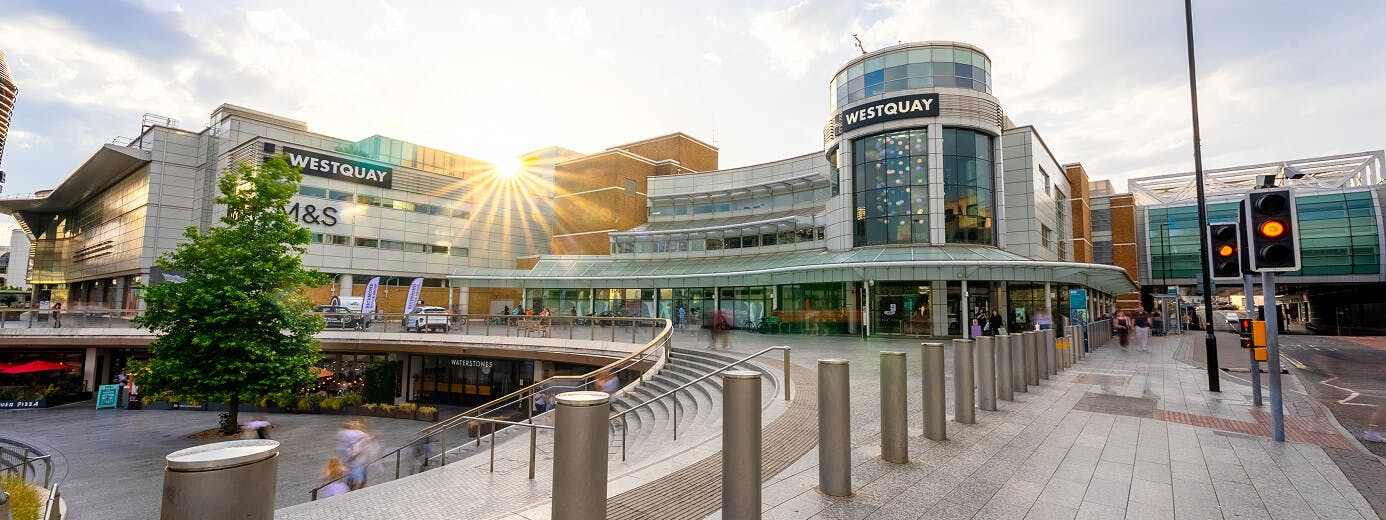
10 Fun Activities in Southampton Worth Trying [2026]
Southampton’s layout makes it possible to build a full day that feels varied without needing to travel far or commit to fixed timings. Historic streets, open parks and working waterfront spaces all sit within a relatively compact area, which means the day can evolve as you move. You can start with something structured, ease into open space, and finish with food and entertainment without ever feeling like you are crossing the city.
This guide follows that natural progression. Free and low-cost activities form the backbone, with Westquay placed at key points where a change of pace makes sense. Instead of acting as a fallback, it becomes part of the rhythm of the day, marking clear moments to stop, sit down or shift direction. The result is a day that feels intentional but still flexible enough to adapt as you go.
Start with the Old Town walls and Bargate
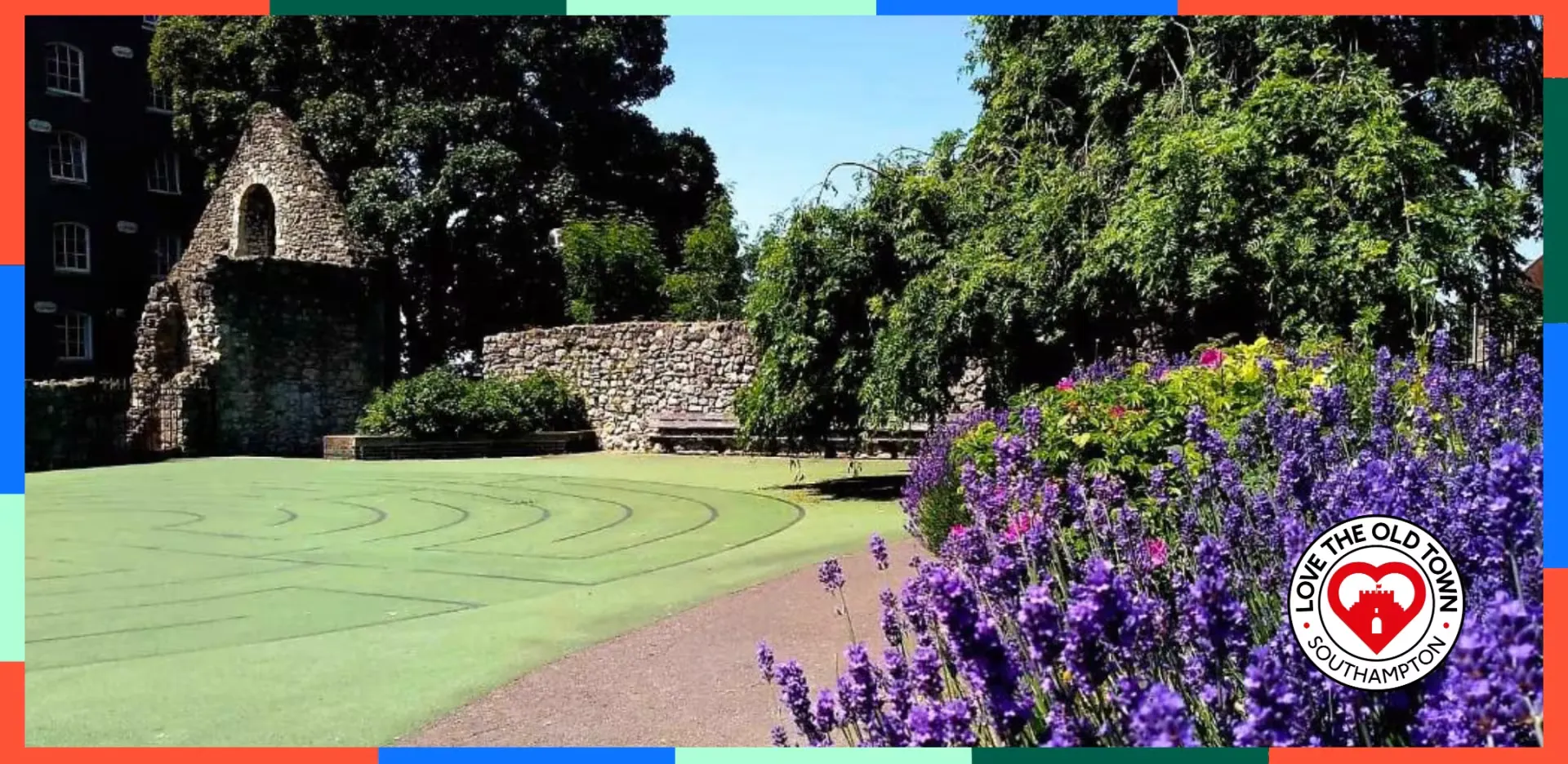
Beginning in Old Town gives the day a clear starting point. The Bargate acts as a natural landmark, and from here the route along the medieval walls unfolds in short, manageable sections. You are not committing to a long walk, but rather a series of connected moments that reveal different parts of the city’s past.
Some sections feel enclosed and quiet, while others open out towards modern streets, which creates contrast early on. The towers and stonework are close enough to interact with, rather than something viewed from a distance.
It works best to move slowly here. By the time you begin to move towards the waterfront, the day already feels like it’s off to a great start.
Pause for a waterfront lunch at Westquay South
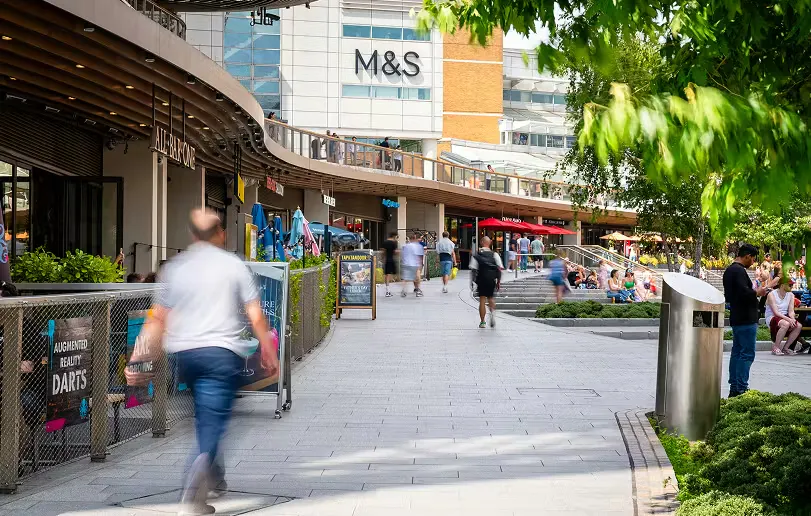
By the time you reach the waterfront side of the city, a proper break feels earned. Westquay South sits directly on that transition point, making it an easy place to stop.
The terrace overlooking the marina is what defines this stop. Sitting outside keeps the experience connected to the water, especially after moving through the enclosed streets of Old Town. Even a short lunch here changes the pace of the day, shifting it from movement to something more settled.
Franco Manca is a strong option if you want something quick that still feels like a proper meal. Bill’s works better if you want to extend the stop and reset before continuing. The Real Greek offers a lighter, more informal approach, especially for sharing.
Allowing time here makes a noticeable difference. It sets up the rest of the day so it does not feel rushed.
Walk through Town Quay and along the waterfront
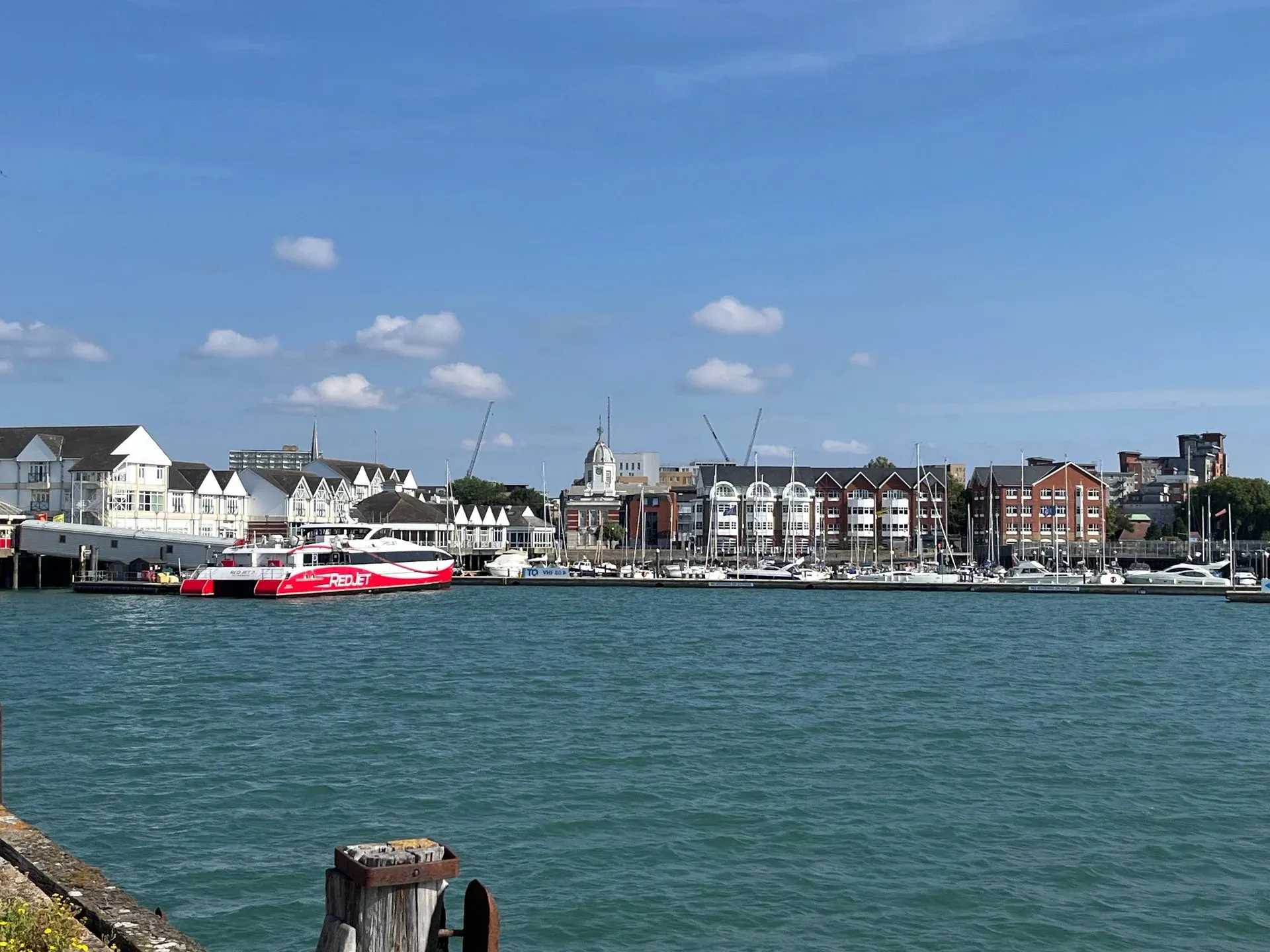
From Westquay South, the route naturally opens out towards Town Quay. This part of Southampton feels more expansive, with clear views across the water and a steady flow of activity that changes throughout the day.
The appeal here is not distance but perspective. Watching ferries move in and out, seeing cruise ships docked nearby and following the line of the harbour gives a sense of scale that contrasts with the tighter streets earlier.
The promenade is easy to follow and does not require planning. You can walk for ten minutes or stretch it longer depending on how the day feels. Short pauses along the way, whether on benches or at viewing points, help break it into smaller, more relaxed sections.
This is one of the points where the day becomes more relaxed.
Step back into Westquay for a short coffee break

After the open stretch of the waterfront, stepping back into Westquay creates a deliberate contrast. The shift from outdoor movement to a contained, quieter space gives you a chance to take a breather.
A coffee stop at Costa or a short sit in one of the shared seating areas works well here. It is not about stopping for long, but about creating a clear pause before the next part of the day.
This moment also helps with decision-making. It gives you a chance to check the time, adjust the pace and decide how much more ground you want to cover. Because of its location, Westquay works as a central point you can return to.
Used this way, it becomes part of the flow of the day.
Head out to Southampton Common for open space
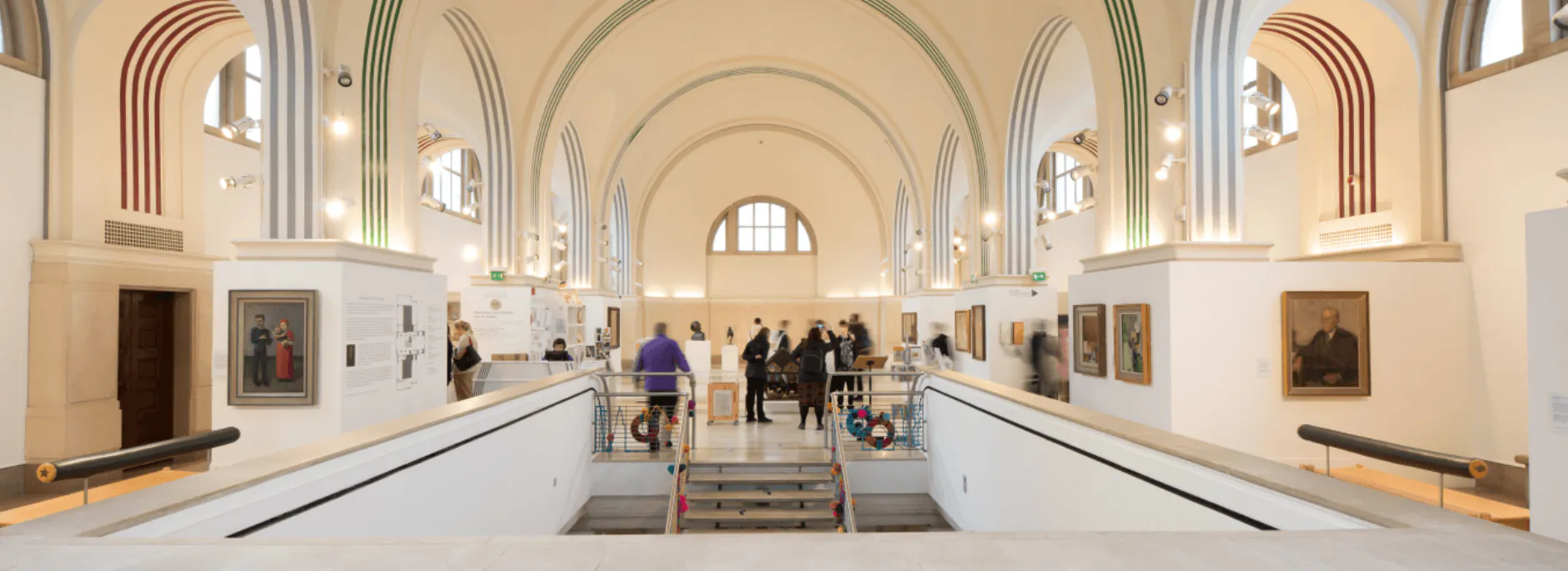
Moving out to Southampton Common shifts the day into a completely different environment. The scale of the space changes how you move through it, with wide open lawns, tree-lined paths and quieter areas that feel removed from the centre.
This is where the day opens up. Instead of following a defined route, you can take a looser approach, choosing paths based on time, weather or energy levels. The ponds create natural focal points, while the open grass areas give space to sit or meander about.
The contrast with the waterfront is important. After being close to the harbour and built-up areas, the Common feels slower and less structured. It works particularly well in the early afternoon, when the day benefits from a longer, less defined section.
You do not need to cover the entire park. Even a short loop gives enough of a change in pace to reset the day before heading back.
Return to Westquay for an afternoon film and early dinner
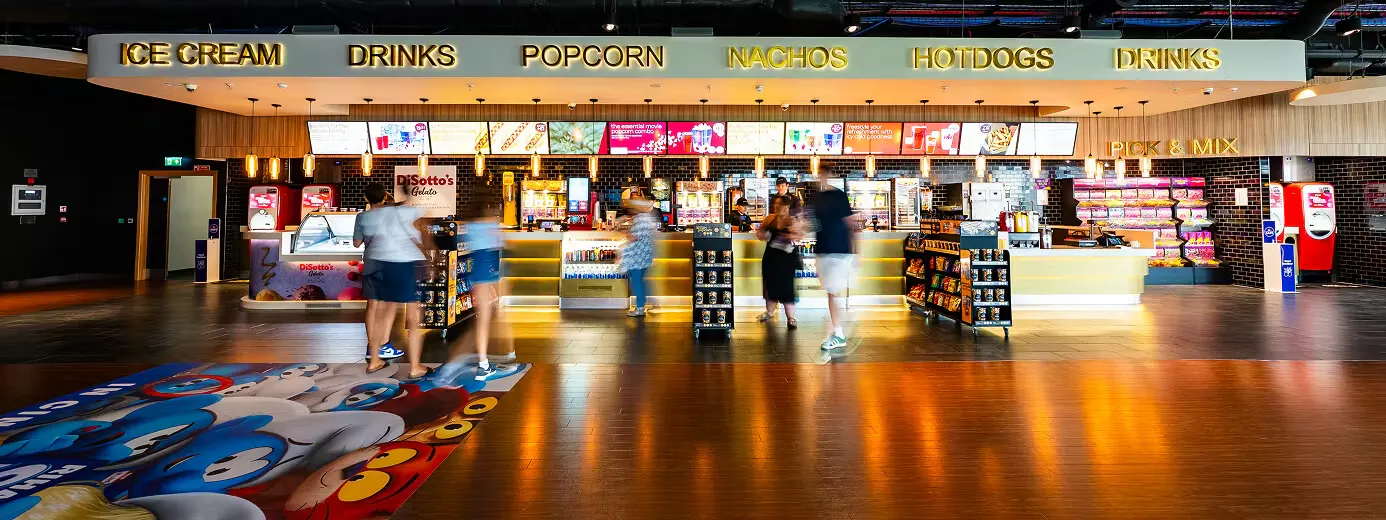
Coming back into the centre after time on the Common creates a clear shift in energy. At this point, the day benefits from something more structured again, and Westquay’s cinema provides that anchor.
An afternoon film works well as a dividing point. It introduces a fixed timeframe, allowing you to step away from walking and settle into a different pace.
Pairing the film with an early dinner keeps everything contained. Wagamama is efficient and consistent if you want to eat without extending the stop too much. Red Dog Saloon suits a longer, more relaxed meal, while Las Iguanas offers a slightly more social atmosphere if you are with a group.
This combination creates a defined middle phase to the day, which helps everything feel more intentional.
Pass through Palmerston Park and the Civic Centre
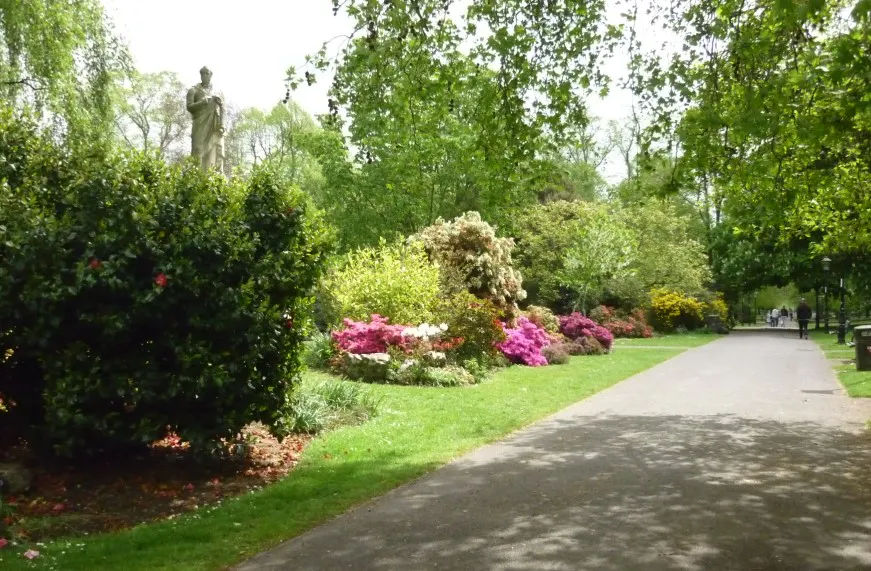
After spending time indoors, stepping back outside through Palmerston Park provides a short but effective transition. The park is compact, which makes it easy to include without adjusting your route significantly.
The surrounding Civic Centre buildings give this area a different feel from both the waterfront and the Common. It feels more structured and formal, which adds variety without requiring extra time.
Walking through here works best as a link rather than a destination, giving you a moment to reset your pace and prepare for the final part of the day.
Keep things flexible with casual food options at Westquay
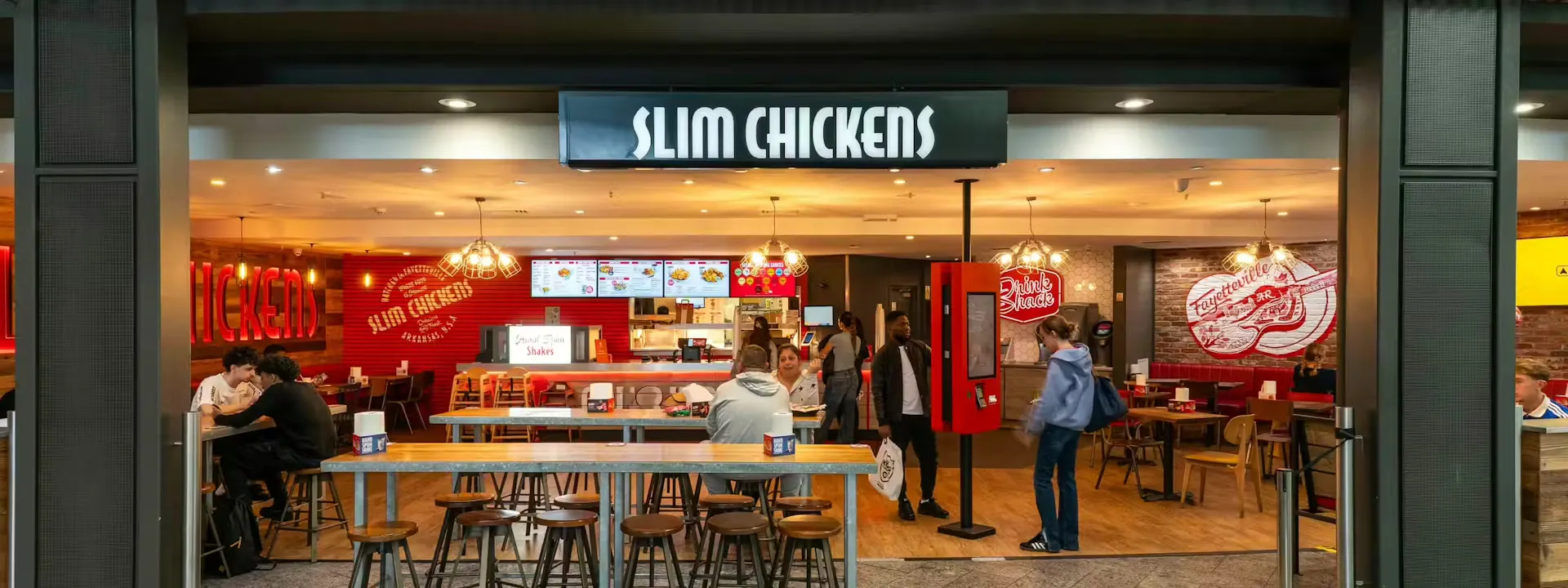
As the day moves into early evening, appetite and energy levels can vary. Instead of committing to another full meal, a more flexible option often works better.
Westquay’s casual dining makes this easy. Slim Chickens and Wingstop provide quick, filling options that do not require much time. Ed’s Easy Diner offers something more familiar if you want to sit down briefly, while Nando’s remains a reliable middle ground for groups.
This kind of stop allows you to adjust the pace without disrupting the structure of the day. It also creates space before the final activity, whether that is another walk or a longer dinner.
Explore the Westgate and historic waterfront edge
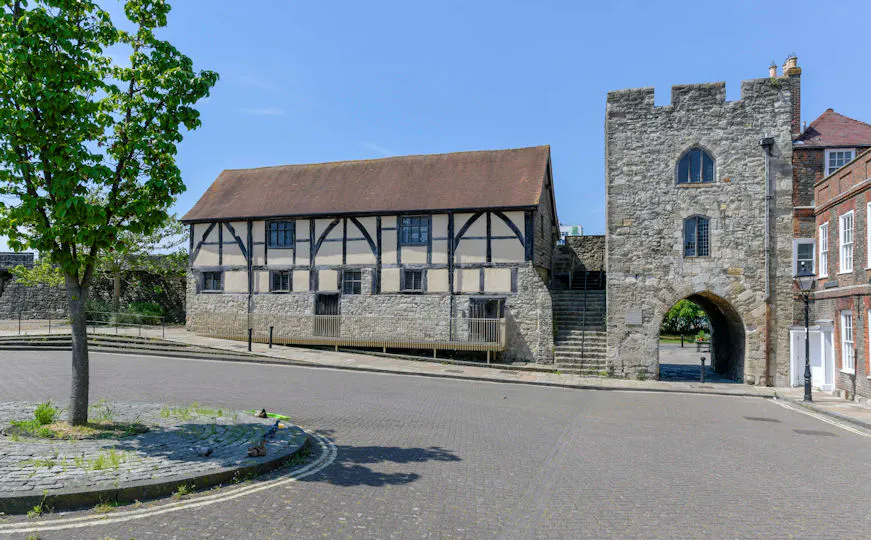
For a final outdoor section, moving towards the Westgate and the surrounding historic waterfront edge offers a quieter contrast to the busier areas earlier in the day. This part of Southampton feels more contained, with older stonework and open views towards the water creating a calmer atmosphere.
The Westgate itself acts as a natural focal point, marking one of the city’s historic entrances. From here, short stretches of wall and open viewpoints allow you to pause without needing to follow a fixed route. The space feels less crowded than the main waterfront, which makes it easier to slow down and take in the surroundings.
The paths are easy to navigate and do not require planning. You can move gradually between the gate, nearby walls and waterfront edges, stopping where it feels natural.
End the day with evening waterfront dining at Westquay
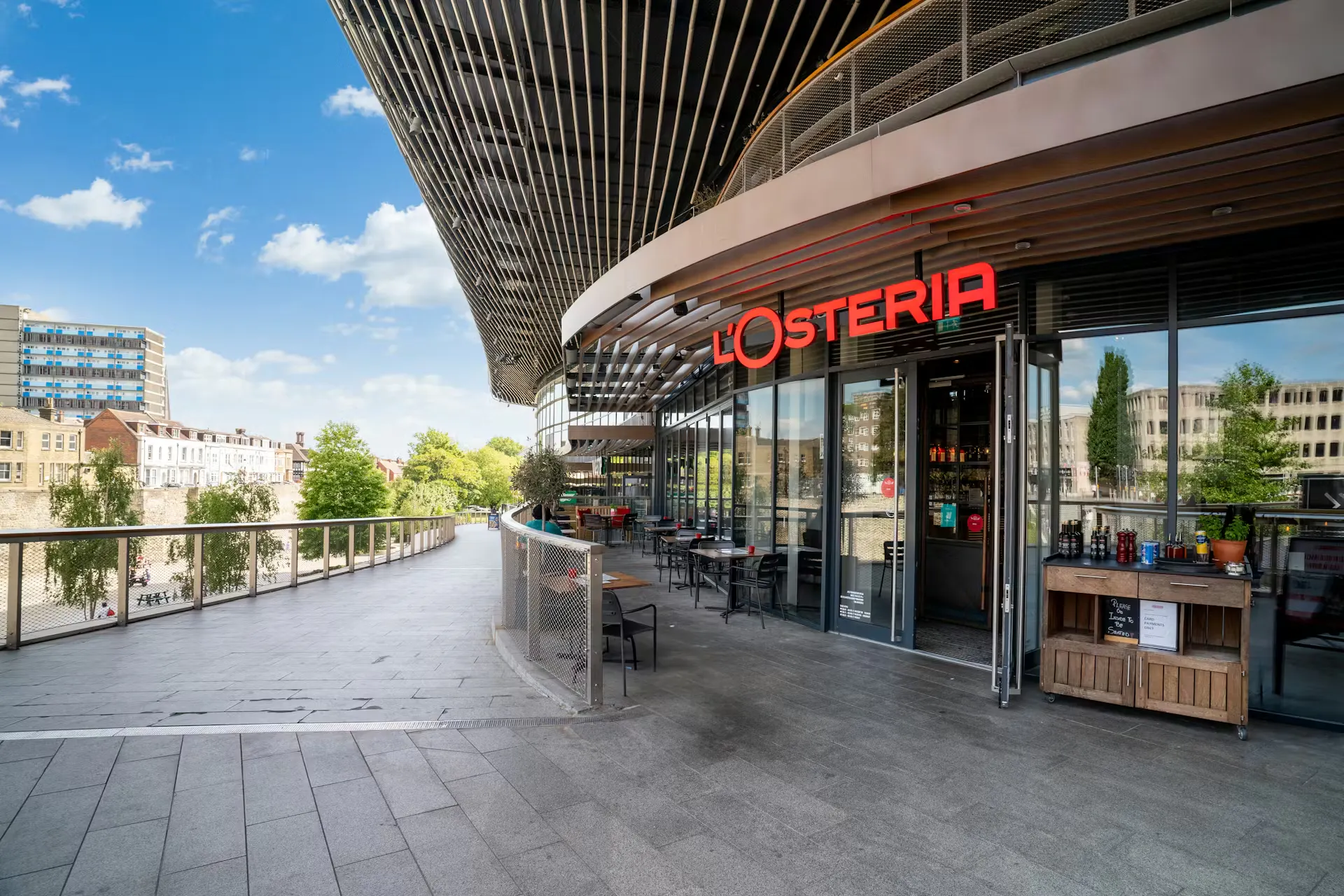
Returning to Westquay South in the evening brings the day full circle. After moving between different environments, finishing by the marina creates a sense of closure.
Evening dining here benefits from the setting as much as the food. Carluccio’s and L’Osteria both offer a slower pace that suits the end of the day, especially if you can sit outside and watch the light change over the water.
Because you have already passed through earlier, the space feels familiar. Ending here turns the day into a complete loop, where each stop connects naturally to the next.
Planning the day in practice
While the structure above gives a clear route, the day works best when you treat it as flexible rather than fixed. Small adjustments can make a big difference depending on timing, weather and energy levels.
If you start later in the day, you can shorten the Old Town section and move more quickly towards the waterfront. If the weather is particularly good, extending time at the Common or along the waterfront will likely feel more rewarding than adding extra indoor stops.
Westquay’s positioning makes these adjustments straightforward. Because it sits between key parts of the city, you can return to it at different points without retracing your steps unnecessarily.
Balancing time and energy
One of the advantages of this route is how it naturally balances movement with rest. Each outdoor section is followed by a moment to pause, which helps prevent fatigue from building up too early.
The Old Town walk is short and structured, the waterfront adds openness without requiring distance, and the Common introduces a longer, slower stretch. Westquay’s stops sit between these, creating clear transitions.
This balance makes the day suitable for a wide range of visitors, from couples looking for a relaxed plan to small groups who want something simple yet interesting.
A note on timing and flow
Timing can change how the day feels. Starting earlier allows for a quieter experience in Old Town, while later starts tend to bring more activity to the waterfront.
Lunch at Westquay South works best slightly before or after peak times if you want to avoid waiting, especially on weekends. The cinema is most effective as a mid-afternoon anchor, when it naturally divides the day.
Evening dining benefits from a slower pace. Allowing time to sit outside, if weather permits, adds a final layer to the day that feels distinct from earlier stops.
Bringing the day together
Southampton works best when it is approached as a sequence of connected moments rather than a fixed itinerary. The city’s free activities, from historic walls to green spaces and waterfront paths, create a natural route that builds throughout the day. Westquay fits into that route at key points, providing places to pause, eat and shift pace without interrupting the overall flow.
By moving between these elements, it becomes easy to shape a day that feels complete without needing to plan every detail. The result is something that can be repeated, adjusted and adapted, while still offering a clear and satisfying structure each time.
